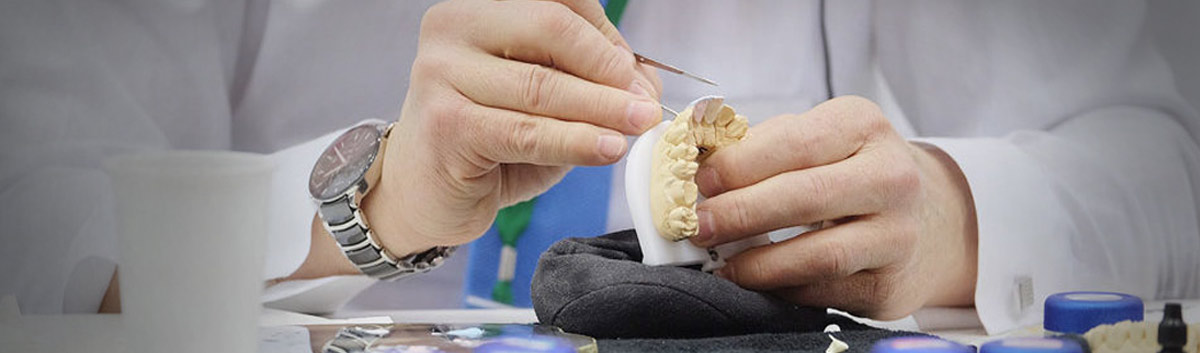
Dental laboratories are the unsung backbone of modern dentistry. Every crown, veneer, bridge, denture, and custom restoration that a patient receives has passed through the skilled hands of dental technicians working behind the scenes. Yet despite how central this work is to patient outcomes, most people have very little understanding of what actually happens inside a dental lab from one day to the next. This article pulls back the curtain on the daily operations of a dental lab, exploring the processes, professionals, and standards that combine to deliver restorations patients rely on for years.
What Does a Dental Lab Actually Do?
A dental lab receives cases directly from dental practices. Each case typically includes impressions or digital scans of a patient’s teeth, along with detailed instructions from the treating dentist about the type of restoration required, the shade of the material, the desired fit, and any specific clinical considerations. From this information, skilled technicians fabricate a physical restoration that must match the patient’s natural dentition as closely as possible in both function and appearance.
The range of work a dental lab handles on any given day can be broad. Technicians may be crafting porcelain veneers for a cosmetic case, fabricating implant-supported crowns, producing orthodontic retainers, or building full dentures for patients who have lost multiple teeth. Each task demands a different skill set, a different set of materials, and a different level of precision. A high-quality Dental lab operates with clearly defined workflows for each restoration type, ensuring that no case falls through the cracks and every product leaving the facility meets a consistent standard of quality.
Managing Materials and Inventory
One of the most operationally demanding aspects of running a dental lab is managing the materials and inventory required to complete each case. Dental labs work with a wide range of substances, from ceramic powders and composite resins to metal alloys, wax, and digital milling blocks. Each material has its own storage requirements, shelf life, and handling protocols.
Effective inventory management begins with a reliable tracking system. Most professional labs use digital platforms that log incoming materials, flag items approaching their expiry date, and generate automatic reorder notifications when stock drops below a set threshold. This reduces the risk of running short on a critical material mid-case, which could delay patient treatment and damage the lab’s relationship with the referring dental practice.
Regular stock audits also help identify patterns in usage, allowing lab managers to make smarter purchasing decisions over time. Ordering in bulk where appropriate reduces cost, while a just-in-time approach for perishable or rarely used materials minimises waste. Both strategies contribute to a leaner, more efficient operation.
The Role of Advanced Technology
Technology has transformed the way dental labs operate over the past two decades, and the pace of change shows no sign of slowing. Digital workflows now sit at the centre of most modern lab environments, replacing many of the manual processes that once dominated the industry.
Digital scanning systems allow technicians to work from highly accurate 3D models of a patient’s teeth rather than traditional plaster casts. This eliminates the distortion that can sometimes occur with physical impressions and allows for a more precise starting point for fabrication. Computer-aided design software then enables technicians to map out the restoration digitally before a single material is touched, adjusting dimensions, occlusal contacts, and surface contours with a level of accuracy that manual methods cannot consistently replicate.
Computer-aided manufacturing systems, commonly known as CAD/CAM milling units, then cut the restoration from a solid block of ceramic or composite material with remarkable precision. The result is a restoration that fits more accurately, requires fewer adjustments at the chair, and in many cases lasts significantly longer than those produced by older methods. For cosmetic dentistry practices such as MaryleboneSmileClinic, partnering with labs that embrace this level of technology is essential to delivering the quality of results their London patients expect.
Maintaining Strict Quality Control Standards
Quality control is not a single checkpoint at the end of the production process. In a well-run dental lab, it is built into every stage of fabrication. From the moment a case arrives to the moment the finished restoration is packaged and dispatched, each step is evaluated against a defined set of standards.
Incoming cases are first assessed for completeness and clarity. If the impression or scan is insufficient, or if the instructions from the dental practice are ambiguous, the case is flagged and the practice is contacted before any work begins. Starting fabrication from a poor foundation only leads to remakes and delays, which serve neither the lab nor the patient.
During fabrication, technicians check measurements, colour matching, and surface finish at regular intervals. Any deviation from the specifications is addressed immediately rather than carried forward. Final inspection before dispatch involves a full review of fit, aesthetics, and structural integrity. Only restorations that pass this review are approved for delivery.
This rigorous approach to quality control protects everyone in the chain. The dental practice receives a reliable product it can fit with confidence. The patient receives a restoration that looks natural, functions correctly, and is built to last.
The Professionals Behind the Work
Dental technicians are highly trained specialists whose expertise is often overlooked by patients and even some dental professionals. Depending on their area of focus, technicians may specialise in ceramics, crown and bridge work, removable prosthetics, orthodontic appliances, or implant components. Each specialisation requires years of hands-on training and a deep understanding of both the materials involved and the clinical requirements of the dentist placing the restoration.
In a busy lab, technicians work to strict deadlines while maintaining the attention to detail that quality requires. Communication skills are equally important, as technicians must interpret written prescriptions accurately, raise concerns when instructions are unclear, and occasionally collaborate directly with dental professionals to resolve complex cases.
Lab managers and quality supervisors play a supporting role by maintaining workflow systems, tracking turnaround times, managing staffing, and ensuring that compliance with regulatory and hygiene standards is consistently upheld. Together, this team makes up the invisible workforce behind every smile restoration.
Why Lab Quality Matters to Patients
From a patient perspective, the dental lab may seem entirely removed from their experience. They interact with their dentist, sit in the chair, and receive a finished restoration. The lab is rarely mentioned. But the quality of that lab’s work has a direct bearing on how the restoration looks, how it feels, how long it lasts, and how many follow-up appointments are needed to adjust it.
A poorly fitting crown can cause bite discomfort, gum irritation, and eventually structural damage to the tooth beneath it. A veneer that does not match the surrounding teeth in shade or texture will undermine a cosmetic treatment that may have taken months to plan. A bridge fabricated from substandard materials may fracture within years, requiring costly replacement. In each case, the patient bears the consequences of a lab quality failure even if they never knew the lab was involved.
Understanding this connection gives patients a more complete picture of why choosing a dental practice with strong lab partnerships matters. It also gives dental professionals a clearer sense of why investing in quality laboratory relationships is one of the most important decisions they make for their patients.
Conclusion
The day-to-day operations of a dental lab are complex, precise, and deeply consequential for the patients whose restorations pass through them. From careful materials management and advanced digital fabrication to rigorous quality control and the dedicated work of specialist technicians, every element of the lab environment contributes to the final result a patient experiences in the dental chair. Gaining a better understanding of this process helps patients appreciate the full scope of skill and effort behind their dental care, and helps dental professionals recognise the value of the partnerships that make excellent outcomes possible.