73
Skin aging is an intricate biological process characterized by a gradual decline in structural proteins, reduced cellular turnover, and loss of dermal elasticity. Over time, natural collagen depletion combined with chronic sun exposure leads to fine lines, structural laxity, and uneven texture. While surgical options like facelifts offer dramatic improvements, many patients seek non-surgical modalities that deliver measurable tightening without extended recovery times or general anesthesia.
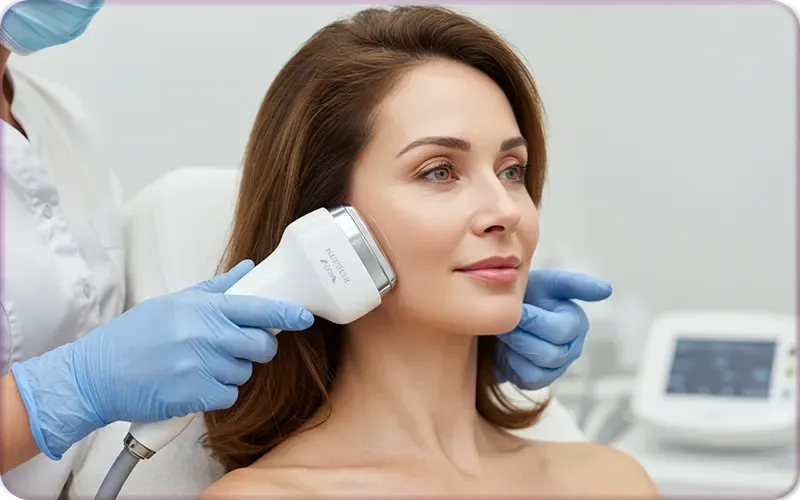
Radiofrequency microneedling has emerged as one of the most effective non-invasive treatments in modern aesthetic medicine. By combining traditional mechanical microneedling with targeted thermal energy, this advanced technology addresses structural laxity at a cellular level. It stimulates deep remodeling within the dermal layers while leaving the outer skin surface largely intact, making it a reliable solution for individuals looking to restore firmness, refine pores, and lift sagging tissue.
The Science Behind Radiofrequency Microneedling
To understand how the procedure works, one must first look at the mechanisms of standard microneedling and radiofrequency energy individually.
Traditional microneedling uses ultra-fine, sterile needles to create controlled micro-injuries in the epidermis and dermis. These physical micro-punctures activate the body natural wound-healing cascade. Platelets release growth factors, fibroblasts proliferate, and new collagen and elastin fibers begin to form.
Radiofrequency energy is a form of electromagnetic radiation that produces heat when it encounters tissue resistance. In aesthetics, heating the deep reticular dermis to temperatures between 65 and 75 degrees Celsius causes immediate contraction of loose collagen fibers. Over the following months, this sustained thermal stress triggers neocollagenesis, the creation of brand-new, organized collagen networks.
When combined into a single platform, these two mechanisms complement each other:
-
Direct Energy Delivery: The insulated or semi-insulated needles puncture the epidermis before releasing radiofrequency pulses directly into the target dermal depth. This bypasses the melanocyte-rich surface layer, dramatically reducing the risk of burns or hyperpigmentation.
-
Dual-Layer Stimulation: The mechanical injury activates epidermal regeneration, while the deep thermal pulse tightens the underlying structural matrix.
-
Customizable Penetration: Clinicians can adjust needle depth from 0.5 millimeters up to 4.0 millimeters or deeper, tailoring the energy output to delicate areas like the under-eye skin or denser zones like the jawline and neck.
Clinical Benefits and Treatment Indications
Radiofrequency microneedling offers versatile structural remodeling. While celebrated primarily for firming loose skin, its tissue-rebuilding capabilities treat a wide spectrum of aesthetic concerns:
-
Mild to Moderate Skin Laxity: The treatment effectively lifts mild jowling, tightens loose submental skin beneath the chin, and firms crinkled tissue across the neck and chest.
-
Fine Lines and Wrinkles: Deep thermal remodeling smooths perioral smoker lines, forehead creases, and dynamic wrinkles around the eyes.
-
Acne Scars and Surgical Scars: The mechanical needles break up fibrotic scar bands while the thermal energy stimulates fresh collagen to fill in atrophic depressions, rolling scars, and boxcar scars.
-
Enlarged Pores and Coarse Texture: Heating the sebaceous structures helps reduce excess oil production while tightening the pore walls for a smoother skin profile.
-
Body Laxity and Stretch Marks: Providers routinely treat loose skin on the abdomen, above the knees, and behind the arms, while also diminishing the width and depth of mature striae.
Insulated Versus Non-Insulated Needles
Modern devices utilize distinct needle designs based on clinical goals and patient skin characteristics:
-
Insulated Needles: These needles are coated with an inert silicone layer along the shaft, leaving only the sharp tip exposed. When inserted, the thermal energy is emitted strictly at the specified depth, completely sparing the epidermis. This makes insulated needles the safer choice for darker skin tones prone to post-inflammatory hyperpigmentation.
-
Non-Insulated Needles: These needles deliver radiofrequency along their entire length. This provides comprehensive heating throughout both the upper and lower dermis simultaneously. It is often preferred for treating active textural concerns, shallow scarring, and generalized sun damage in lighter skin types.
What to Expect During the Procedure
A typical radiofrequency microneedling session follows a structured clinical protocol to maximize patient comfort and clinical outcomes:
-
Preparation and Topical Anesthesia: The skin is cleansed thoroughly, followed by the application of a high-strength topical numbing cream, typically a lidocaine and tetracaine blend. The numbing agent remains on the skin for 45 to 60 minutes to ensure a painless experience.
-
Sterilization and Calibration: The provider wipes away the numbing agent, disinfects the treatment area with an antiseptic solution, and calibrates the device settings. Pulse duration, power level, and needle depth are mapped across different facial zones.
-
The Treatment Application: The provider places the motorized handpiece against the skin in a systematic grid. As the needles penetrate the dermis, the radiofrequency pulses for a fraction of a second. Most patients describe the sensation as a deep, warm stamp or mild prickling. Many providers make two to three passes over problem zones like the jawline.
-
Post-Treatment Soothing: Immediately after treatment, the skin appears flushed and feels warm, similar to a sunburn. Providers often apply calming peptide serums, growth factors, or a cooling mask to soothe initial redness.
Recovery, Healing Stages, and Results Timeline
Unlike ablative laser resurfacing, which requires prolonged social downtime and wound care, radiofrequency microneedling features a relatively straightforward recovery timeline:
-
First 24 Hours: Erythema (redness) and mild localized edema (swelling) are common. The micro-channels remain open for several hours, during which patients must avoid makeup, strenuous exercise, and active skincare ingredients like retinoids or acids.
-
Days 2 to 4: Redness subsides to a faint pink tone. The skin may develop microscopic pinprick crusts or take on a sandpapery texture. Gentle hydration and physical broad-spectrum sunscreen are essential during this phase.
-
Weeks 2 to 4: Initial textural refinement becomes visible as the epidermis fully renews itself. Pores appear tighter, and superficial skin tone looks more even.
-
Months 2 to 6: Deep collagen synthesis and elastin remodeling continue over several months. Skin tightening along the jawline, reduction in deep lines, and structural lifting peak between three and six months post-procedure.
Most patients achieve optimal results after a series of three to four sessions spaced four to six weeks apart, followed by an annual maintenance treatment to counter ongoing intrinsic aging.
Frequently Asked Questions
Can radiofrequency microneedling cause permanent facial fat loss?
Unintended facial fat reduction can occur only if high-energy radiofrequency is delivered too deeply into the subcutaneous fat layer using incorrect settings. Experienced practitioners carefully assess facial volume and select shallow needle depths over areas prone to hollows, such as the temples and buccal fat pads, ensuring energy remains strictly inside the dermal collagen layer.
Is radiofrequency microneedling safe for individuals with active cystic acne?
The procedure should not be performed over areas with active cystic breakouts or pustular lesions. Puncturing active blemishes can spread underlying bacteria across unaffected areas, triggering severe secondary breakouts and inflammation. Patients must clear active cystic inflammation before undergoing treatment.
How does this treatment compare to traditional fractional CO2 laser resurfacing?
Fractional CO2 lasers vaporize columns of surface skin cells to trigger resurfacing, which requires significant healing time and carries a higher risk of pigment changes in dark skin tones. Radiofrequency microneedling deposits its primary heat under the surface, protecting the outer epidermis and allowing safe application across all skin types with considerably less social downtime.
How long must a patient wait after receiving neurotoxin or dermal filler injections before booking a session?
Patients should wait at least two to three weeks after receiving Botox, Dysport, or hyaluronic acid dermal fillers before having radiofrequency microneedling performed in the same area. This waiting window prevents accidental displacement of the injectables and ensures that the deep thermal energy does not accelerate filler breakdown during the initial settling phase.
What should you do if tiny pinpoint marks remain visible after a week?
Microscopic grid marks or tiny carbon crusts are part of the natural shedding process, especially in areas with thinner skin. Patients should never scrub, pick, or exfoliate these marks manually. Keeping the skin barrier hydrated with gentle occlusives or barrier creams allows the crusts to detach naturally without causing scarring or pigmentation.
Are there any implanted medical devices that prevent someone from receiving this treatment?
Patients with implanted electrical devices, such as cardiac pacemakers, implantable cardioverter defibrillators, or neurostimulators, are generally contraindicated for radiofrequency procedures. The electromagnetic energy emitted by the handpiece can potentially interfere with the normal operation of these medical devices.
What specific active ingredients must be stopped before and after treatment?
Patients should discontinue prescription retinoids, over-the-counter retinol, glycolic acid, salicylic acid, and benzoyl peroxide three to five days before the procedure to minimize irritation. After treatment, patients must avoid these active ingredients for five to seven days, relying exclusively on mild cleansers, gentle moisturizers, and mineral sunscreens until the barrier recovers.