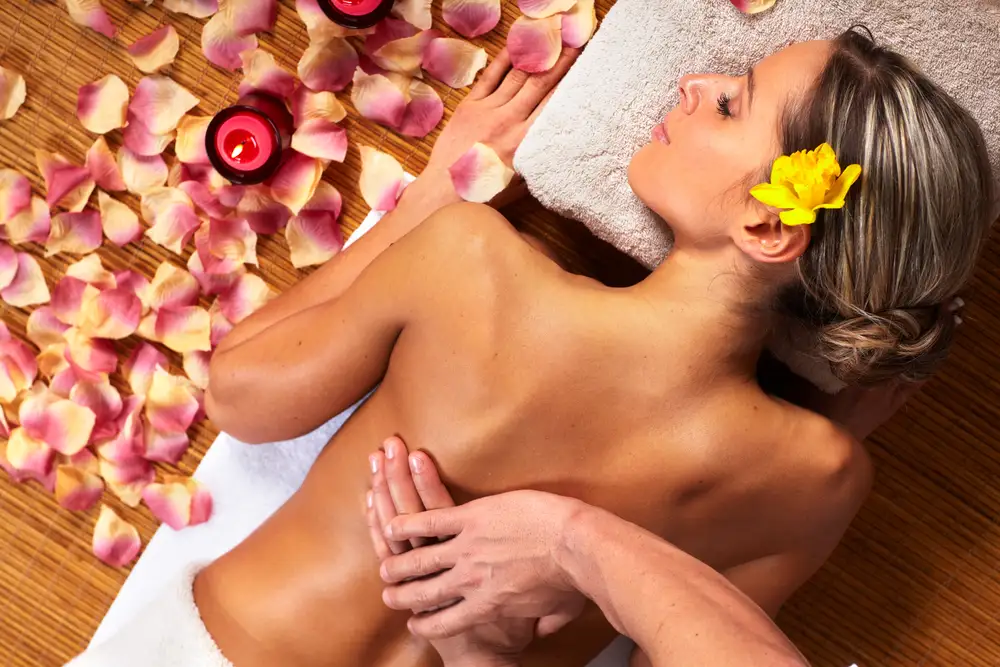
You can forget the color of a treatment room, but a familiar spa fragrance has a habit of returning the moment you smell it somewhere else. A trace of lemongrass, lavender or eucalyptus can bring back the quiet, the warm oil and the point in the treatment when you finally stopped thinking about everything waiting outside.
During an aroma massage in Chiang Mai, fragrance comes from essential oil used on the body, so it stays close throughout the treatment rather than drifting in from a diffuser at the edge of the room. At Health Land, aromatherapy pairs touch with carefully selected essential oils. That combination makes scent more noticeable than ordinary room fragrance because it remains present with every movement of the massage.
Smell is closely tied to memory, which is why a fragrance can feel familiar before you can place where you know it from. In a spa, that connection becomes especially noticeable because the aroma is present during a calm and distinctive experience. Smelling it again later can bring back part of that mood, even when you are nowhere near the treatment room.
Scent can also mark the change from a busy day to the start of the treatment. After traffic, heat, temple visits or hours spent walking around Chiang Mai, the smell of the oil is one of the first details that belongs entirely to the spa. It arrives before the massage has had time to ease a single tight muscle.
During the massage, aroma becomes part of the other sensations rather than a separate extra. The warmth of the oil, the speed of the movements and the chosen pressure all affect how the session feels, and fragrance colors that impression. Fresh herbal scents often feel clean and light, whereas deeper floral aromas may feel warmer and richer. The same massage technique can feel noticeably different when paired with a sharp citrus aroma instead of a softer floral blend.
Choosing a scent you will enjoy
There is no universally relaxing scent, and a fragrance does not become soothing simply because it appears on a spa menu. Someone who dislikes lavender will spend the session noticing it rather than forgetting about it. Ask to smell the available oils before deciding and choose the one you would be happy to have close to your face and skin for the duration of the massage.
Strength matters as much as the type of fragrance because the oil remains close to the body throughout the massage. A scent that seems pleasant for a few seconds may become distracting when it stays with you for the full treatment. If two options appeal, the lighter one is less likely to dominate for anyone who is sensitive to perfume or tends to notice smells quickly.
Essential oils are applied to the skin during aroma massage, so allergies and sensitivities need to be mentioned before the treatment begins. Speak up early if the fragrance feels too strong or the oil causes irritation rather than waiting until more has been applied. Once the massage is underway, the scent should sit comfortably in the background instead of demanding your attention.